

Overview
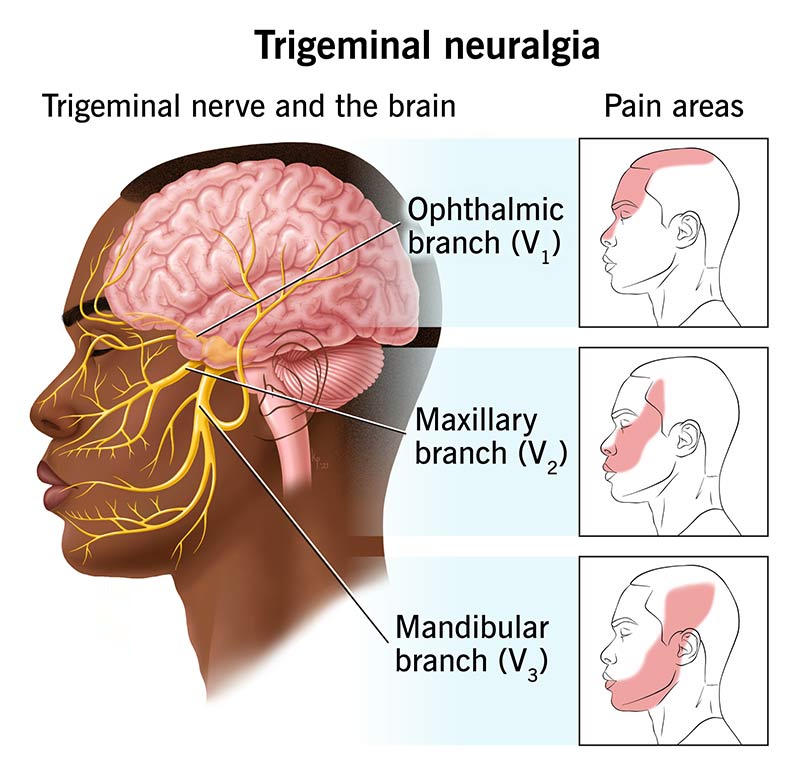
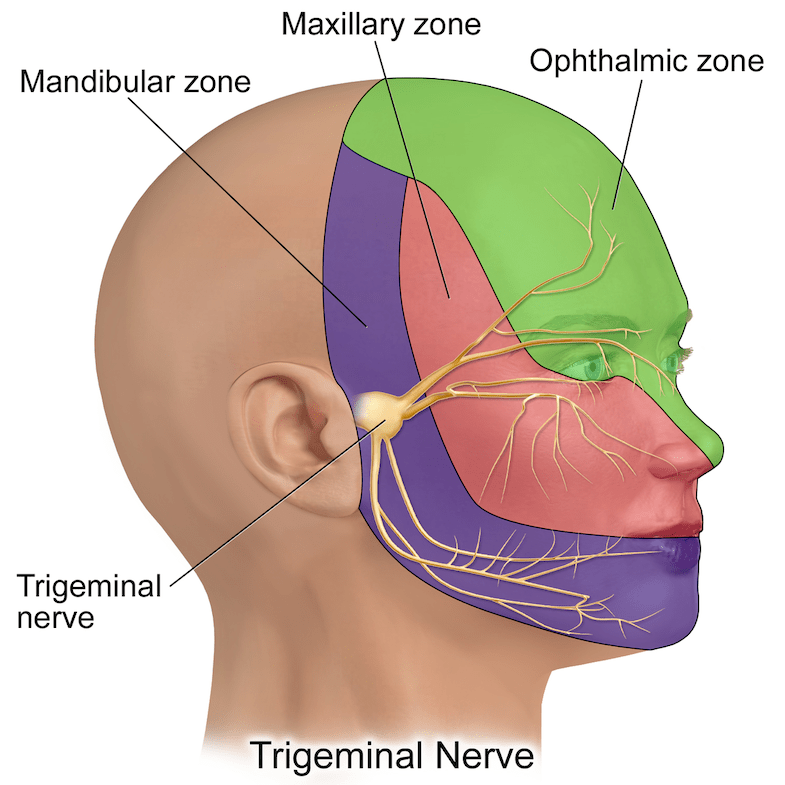
Trigeminal Neuralgia (TN) is a neurological disorder that causes severe, sudden, and sharp pain along the path of the trigeminal nerve, which is responsible for sensations in the face.
The pain is often described as electric shock-like and can be triggered by simple activities such as chewing, speaking, or brushing teeth.
It is a debilitating condition that significantly impacts the quality of life.
At Dr. Vinay Rohra’s clinic, we provide a comprehensive approach to managing and treating Trigeminal Neuralgia, ensuring the best possible outcomes for our patients.
1.Medical Treatment
The first line of treatment for Trigeminal Neuralgia typically involves medication to manage pain and reduce nerve irritation.
Anticonvulsants: Medications like Carbamazepine or Oxcarbazepine are commonly prescribed to reduce the abnormal electrical activity in the trigeminal nerve. These medications are effective in controlling pain in many patients.
Muscle Relaxants and Antidepressants:
Drugs such as Baclofen and certain antidepressants can also help relieve pain by reducing nerve sensitivity.Side Effects: While effective, these medications may have side effects like dizziness, fatigue, or nausea. It’s important for Dr. Vinay to monitor the patient regularly to adjust doses and minimize side effects.
2. Microvascular Decompression (MVD)
When medications do not provide adequate relief or if the side effects become intolerable, Microvascular Decompression (MVD) surgery may be recommended. This is a minimally invasive procedure aimed at relieving pressure on the trigeminal nerve.
Procedure:
MVD involves making a small incision behind the ear to access the area around the trigeminal nerve. The surgeon then identifies the blood vessel compressing the nerve and places a cushion to prevent further pressure, effectively reducing pain.Recovery:
Most patients experience significant pain relief after the procedure. Hospitalization is typically short, and recovery time varies but usually involves rest and monitoring for a few days. Most people can resume normal activities within weeks.Success Rate:
MVD has a high success rate in providing long-term relief from Trigeminal Neuralgia and is considered one of the most effective surgical treatments.
3. Stereotactic Radiosurgery (Gamma Knife)
Stereotactic Radiosurgery, particularly Gamma Knife, is a non-invasive treatment option for Trigeminal Neuralgia. It uses highly focused radiation to target and damage the nerve, thereby reducing pain.
Procedure:
A patient’s head is fitted with a stereotactic frame, and a specialized machine delivers a concentrated dose of radiation to the trigeminal nerve at the root where the pain originates. This process is painless and does not require incisions or hospitalization.Benefits:
This option is ideal for patients who cannot undergo surgery or prefer a non-invasive treatment. It provides relief in many cases and has fewer risks than traditional surgery.Side Effects:
Potential side effects may include temporary facial numbness, weakness, or an initial increase in pain before relief is achieved.
4. Percutaneous Procedures
For patients who do not respond well to medications or surgery, Percutaneous Procedures can provide significant relief.
Glycerol Injection:
In this minimally invasive procedure, a needle is inserted into the area around the trigeminal nerve, and glycerol is injected to damage the nerve. This can help reduce or eliminate the pain.Balloon Compression:
This technique involves inserting a small balloon into the nerve root through a needle and inflating it to compress the nerve, providing pain relief.Risks:
These procedures can sometimes cause temporary numbness or weakness in the face but generally have lower complication rates compared to major surgeries.
5. Alternative Therapies
For some patients, additional therapies may complement standard medical or surgical treatments.
Acupuncture:
Some patients find relief from Trigeminal Neuralgia symptoms through acupuncture, a traditional Chinese medicine technique that involves inserting thin needles at specific points on the body.Physical Therapy:
Although not a primary treatment, physical therapy or facial massage techniques can sometimes help alleviate the pain, especially if it is exacerbated by muscle tension.
6. Supportive Care and Counseling
Since Trigeminal Neuralgia can cause significant emotional distress and affect daily activities, psychological support is often recommended.
Counseling:
A counselor or psychologist can help patients cope with the anxiety and depression that may result from chronic pain.Support Groups:
Connecting with others who have similar experiences can help patients manage the emotional aspects of living with Trigeminal Neuralgia.
Why Choose Dr. Vinay Rohra?
With extensive experience in treating complex neurological conditions like Trigeminal Neuralgia, Dr. Vinay Rohra utilizes a multi-disciplinary approach to ensure the most effective treatment plan.
Whether through medication, advanced surgical techniques, or non-invasive therapies, Dr. Vinay and his team are dedicated to providing compassionate and personalized care to every patient.