
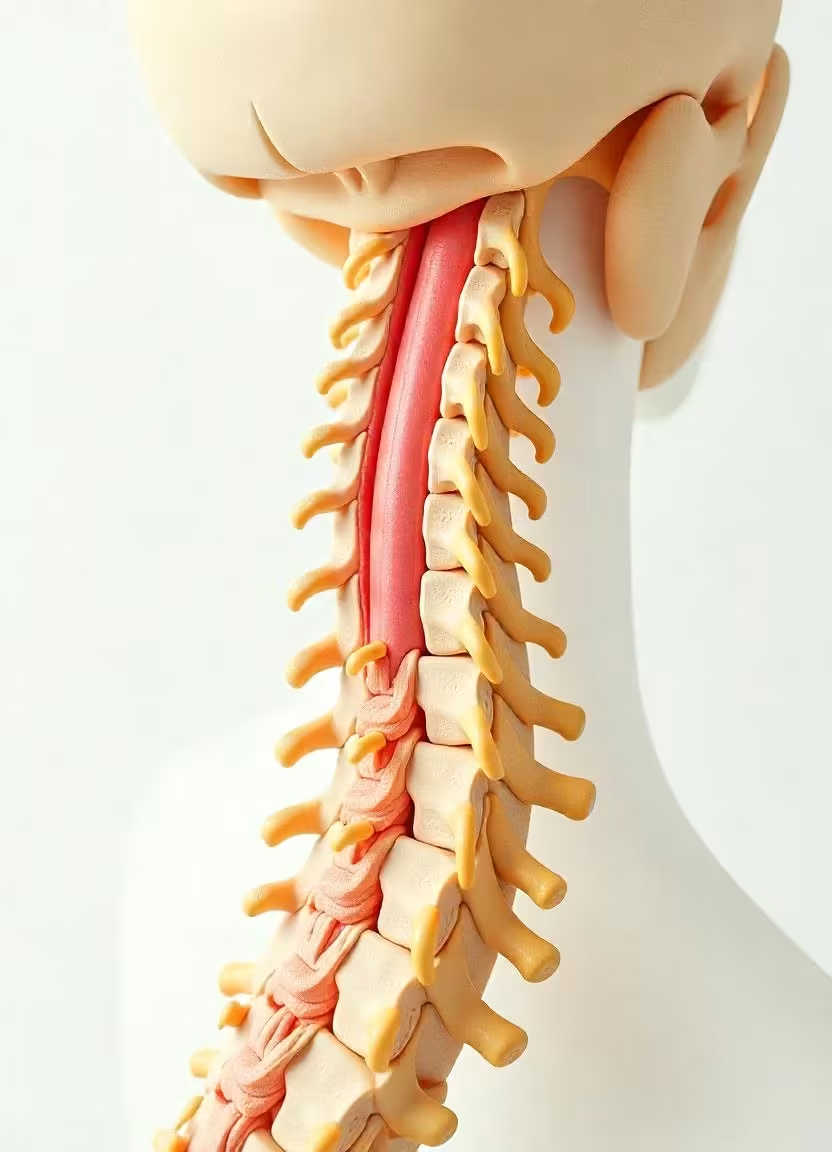

Transforminal Interbody Fusion (TLIF) is a surgical procedure designed to treat various spinal conditions by stabilizing the spine and alleviating pain caused by nerve compression.
This minimally invasive approach has become a preferred method for addressing degenerative disc disease, herniated discs, and spinal instability.
Understanding TLIF
TLIF involves removing a damaged intervertebral disc and fusing adjacent vertebrae using bone grafts and implants. The procedure is typically performed through a small incision in the back, minimizing disruption to surrounding muscles and tissues.
Indications for TLIF
- Degenerative disc disease.
- Spondylolisthesis.
- Spinal stenosis.
- Recurrent disc herniation.
- Spinal instability or deformity.
Procedure Overview
- Preparation: The patient is positioned on their stomach, and a small incision is made on one side of the spine.
- Disc Removal: The damaged disc is removed through the foramen (the natural opening in the spine where nerve roots exit).
- Bone Graft Placement: A bone graft or synthetic material is inserted to promote fusion between the vertebrae.
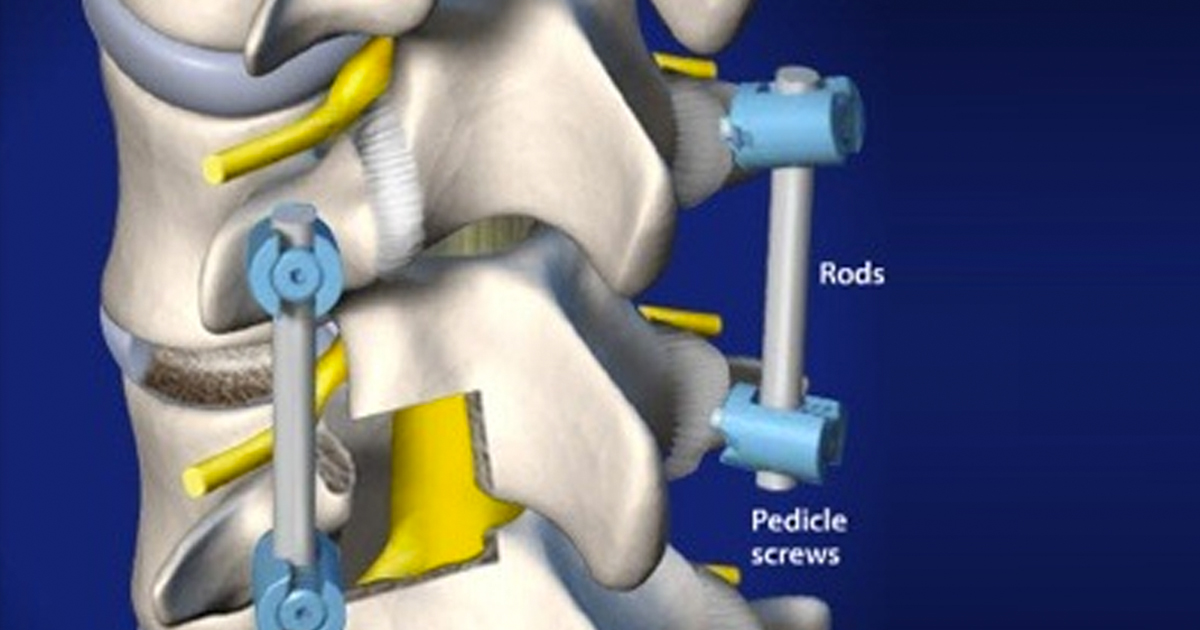
- Implant Placement: Screws, rods, or cages are used to stabilize the spine and maintain proper alignment.
- Closure: The incision is closed, and the patient is moved to recovery.
Advantages of TLIF
- Minimally invasive approach reduces tissue damage.
- Shorter hospital stays and faster recovery times.
- Reduced postoperative pain.
- Lower risk of complications compared to traditional spinal fusion techniques.
Recovery and Rehabilitation
- Immediate Postoperative Care: Patients may experience some discomfort, managed with medications. Most can begin walking within a day of surgery.
- Physical Therapy: A tailored rehabilitation program helps improve mobility, strength, and overall function.
- Follow-Up Appointments: Regular check-ups ensure proper healing and fusion of the vertebrae.
Risks and Complications
While TLIF is generally safe, potential risks include:
- Nerve damage.
- Nonunion or incomplete fusion.
- Hardware complications, such as implant loosening or breakage.