

Golden Hour Stroke: Young Adults at Risk in Vadodara – Know the Signs, Causes, and How to Act Fast
A brain stroke is no longer just a disease of the elderly. In recent years, an alarming trend has emerged—young adults in India, including those in Vadodara, are increasingly experiencing strokes. What was once considered a condition primarily affecting people above 60 is now seen in those as young as 18. With the growing cases and delayed response due to lack of awareness, understanding the signs, causes, and treatment options during the critical “golden hour” is essential.
Why the Sudden Rise Among Young Adults?
In India, the annual stroke incidence in the 40–44 age group is 41 per 100,000 people. Globally, one stroke happens every 3 seconds, and 1 in 4 individuals is likely to experience a stroke in their lifetime. Contrary to popular belief, 63% of all strokes occur in people below 70 years of age, and 10–15% of strokes now occur in adults aged 18 to 50.
What’s concerning is that many young patients have no prior history of heart disease. However, several lifestyle factors are contributing to the rise:
- Persistent stress
- Poor sleep patterns
- Sedentary lifestyle
- Smoking and alcohol consumption
- Rising cases of diabetes and high blood pressure
- Poor diet choices and obesity
In cities like Vadodara, where work-life stress and unhealthy routines are common, this upward trend demands attention and proactive action.
What Is a Brain Stroke?
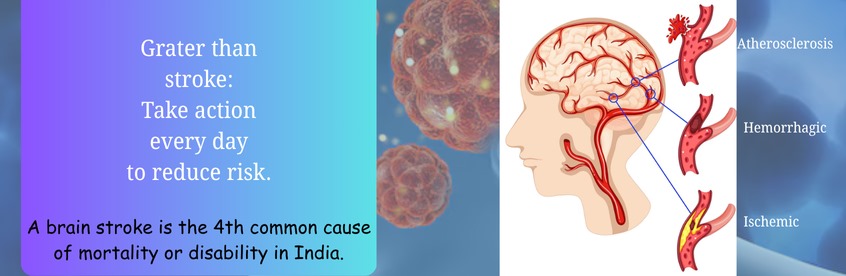
A stroke occurs when blood flow to a part of the brain is interrupted or reduced, depriving brain tissue of oxygen and nutrients. Within minutes, brain cells begin to die. The consequences can be life-altering or fatal.
There are four main types of brain strokes:
- Ischemic Stroke: Caused by blockage in an artery due to a clot.
- Hemorrhagic Stroke: Caused by rupture of a blood vessel, leading to bleeding in the brain.
- Intracranial Artery Calcification (IAC): Calcium builds up in brain arteries, restricting blood flow.
- Transient Ischemic Attack (TIA): Often called a mini-stroke, it is a temporary blockage that doesn’t cause permanent damage but is a warning sign.
The Golden Hour – Why Every Minute Counts
The first few hours after the onset of a stroke are critical. Referred to as the “golden hour,” this is the window when timely treatment can significantly reduce the risk of brain damage and improve recovery outcomes. Immediate access to a stroke-ready hospital is crucial.
During this golden hour, treatments like thrombolysis (clot-busting medication) can be administered to reverse the effects of stroke—but only if the patient reaches the hospital in time. Delay can result in irreversible damage or death.
Know the Warning Signs: BE FAST
An easy way to remember stroke symptoms is the BE FAST acronym:
- B – Balance: Sudden loss of balance or coordination
- E – Eyes: Sudden vision trouble in one or both eyes
- F – Face: One side of the face drooping
- A – Arm: Weakness or numbness in one arm
- S – Speech: Slurred or strange speech
- T – Time: If any of the above signs are present, it’s time to rush to the nearest hospital
Quick action can save a life. Recognizing these signs and calling for help can be the difference between full recovery and lifelong disability.
Causes of Stroke in Young Adults
Strokes in young people can stem from a wide range of conditions. Some of the most common include:
- Hypertension: Uncontrolled high blood pressure damages blood vessels.
- Diabetes: Increases the risk of blood vessel damage and clot formation.
- Atrial Fibrillation (AFib): Irregular heartbeat, sometimes caused by sleep apnea, can lead to clots.
- High Cholesterol: Narrows arteries, reducing blood flow.
- Genetic Disorders: Conditions like clotting disorders increase stroke risk.
- Obesity: Increases pressure on heart and blood vessels.
- Smoking and Alcohol: Both damage the cardiovascular system.
- Drug Use: Recreational drugs can trigger stroke in healthy individuals.
- Severe Headaches: Sudden and intense headaches can sometimes indicate underlying vascular issues.
Common Symptoms of Stroke
While symptoms can vary, the most frequently reported signs include:
- Weakness or numbness on one side of the body
- Difficulty speaking (aphasia) or understanding speech
- Slurred or unclear speech (dysarthria)
- Drooping of one side of the face
- Blurred or double vision (diplopia)
- Confusion or trouble with memory (amnesia)
- Loss of coordination or dizziness
These signs often appear suddenly and should never be ignored, regardless of age.
What to Do in Case of Stroke
If you or someone around you shows signs of stroke:
- Do not wait. Call emergency services immediately.
- Make note of the time symptoms started.
- Do not give food, water, or medication.
- Ensure the person is lying on their side if unconscious.
- Transport to a stroke-ready hospital without delay.
Dr. Vinay Rohra – Brain Stroke and Neurosurgery in Vadodara
For patients in Vadodara seeking advanced stroke care, Dr. Vinay Rohra is a trusted name. As a skilled neurosurgeon, he brings extensive in handling complex brain and spine conditions. His focus on timely diagnosis, surgical precision, and post-stroke rehabilitation helps patients recover better.
He emphasizes the need for quick action during the golden hour, especially for young adults who might ignore early signs.
Prevention Tips for Young Adults
Taking care of your brain health should start early. The following steps can help prevent a stroke:
- Monitor Blood Pressure: Regular checkup help detect silent hypertension.
- Manage Blood Sugar: Keep diabetes under control with medication and diet.
- Eat Balanced Meals: Focus on fruits, vegetables, lean protein, and whole grains.
- Avoid Smoking and Limit Alcohol: Quit tobacco, avoid binge drinking.
- Exercise Regularly: 30 minutes of walking, yoga, or swimming daily.
- Sleep Well: 7–8 hours of sleep improve heart and brain health.
- Reduce Stress: Practice relaxation methods like deep breathing or meditation.
- Stay Informed: Know your family history and consult a neurologist if you’re at risk.
The Future Outlook – Stroke in India by 2050
A Lancet study conducted with the Indian Council of Medical Research (ICMR) predicts that low-to-middle-income countries, including India, could see 10 million deaths due to brain stroke by 2050. The number of deaths is expected to rise from 6.6 million in 2020 to 9.7 million by 2050. This sharp increase is a warning sign to prioritize brain health across all age groups.
Take Stroke Seriously, Act Early
Stroke is no longer an illness restricted to old age. If you’re in your 30s or 40s, or even younger, lifestyle choices today will define your brain health tomorrow. Don’t ignore signs like dizziness, slurred speech, or facial weakness—even if they disappear quickly.
By learning the BE FAST method and acting within the golden hour, you or someone close to you can survive and recover with fewer complications.
If you’re in Vadodara and need expert consultation, reach out to Dr. Vinay Rohra, a trusted neurosurgeon with vast experience in brain stroke treatment and care.