
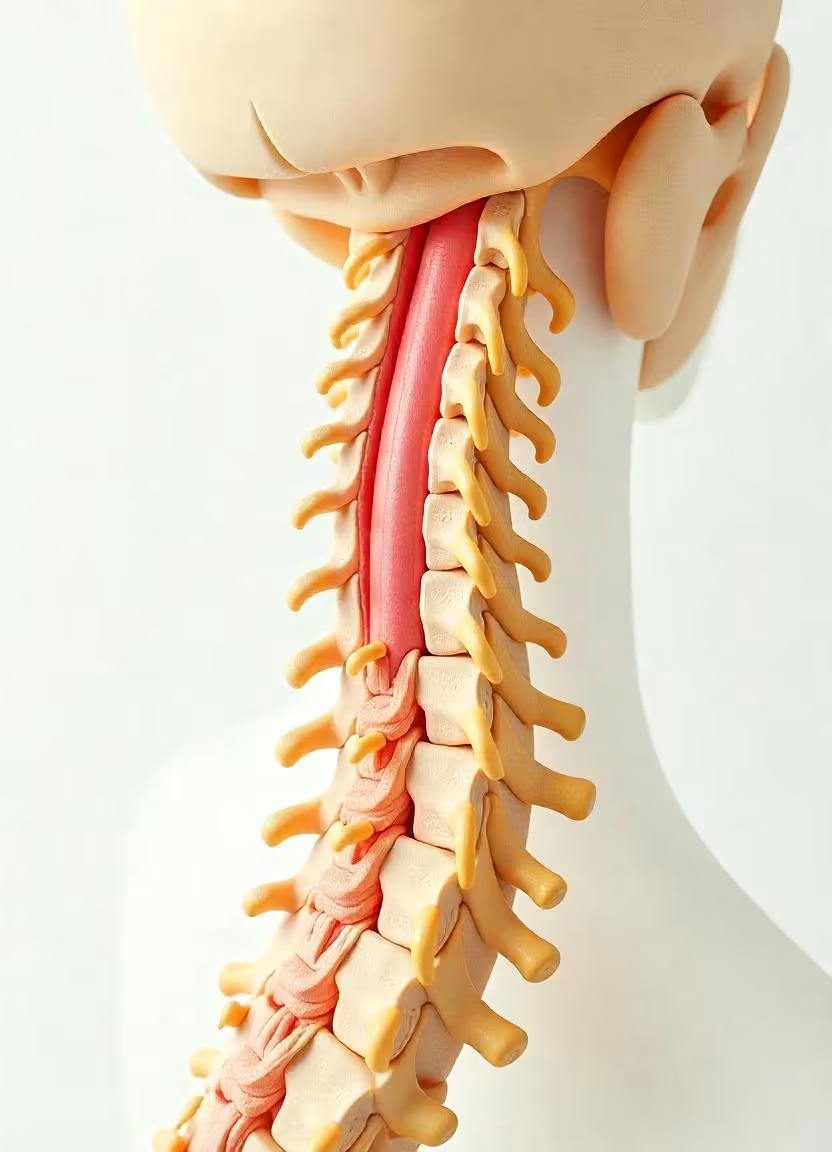
Split cord malformations (SCMs) are rare congenital spinal anomalies characterized by the division of the spinal cord into two distinct parts. <br><br>These anomalies can lead to neurological symptoms and are typically identified in children, although they may remain asymptomatic until adulthood in some cases.
Understanding Split Cord Malformations
SCMs are categorized into two types:
· Type I: The cord is split by a rigid bony or cartilaginous spur.
· Type II: The cord is divided by a non-rigid fibrous band.
Symptoms may include:
· Back pain or stiffness.
· Neurological deficits such as weakness or numbness in the legs.
· Bladder or bowel dysfunction.
· Scoliosis or other spinal deformities.
Treatment Options
Treatment for SCMs aims to relieve symptoms and
prevent further neurologicaldeterioration.
Here are the primary methods:
1. Surgical Correction
Surgery is the mainstay of treatment for symptomatic SCMs.
· Procedure:
The surgeon removes the bony or fibrous spur and untethers the spinal cord to
restore normal function.· Benefits:
Prevents further neurological damage and alleviates symptoms.· Risks:
As with any spinal surgery, there is a risk of infection, cerebrospinal fluid
leakage, or incomplete symptom resolution.2. Observation
For asymptomatic patients, regular monitoring may be recommended.
· Benefits:
Avoids unnecessary surgical risks.· Risks:
The condition could progress, leading to symptoms later.3. Supportive Therapies
· Physical Therapy:
To improve mobility and strength.· Occupational Therapy:
To help with daily activities and maintain quality of life.· Pain Management:
Medications or injections to alleviate chronic pain.
Advancements in Treatment
· Intraoperative Neuromonitoring: Enhances surgical safety by monitoring nerve function during procedures.
· Minimally Invasive Techniques: Reduces recovery time and surgical risks for certain cases.
Complications and Follow-Up Care
Without treatment, SCMs can lead to:
· Progressive neurological deficits.
· Chronic pain and mobility issues.
· Bladder and bowel dysfunction.
Post-treatment, patients require regular follow-ups to monitor spinal cord function and address any complications promptly.