
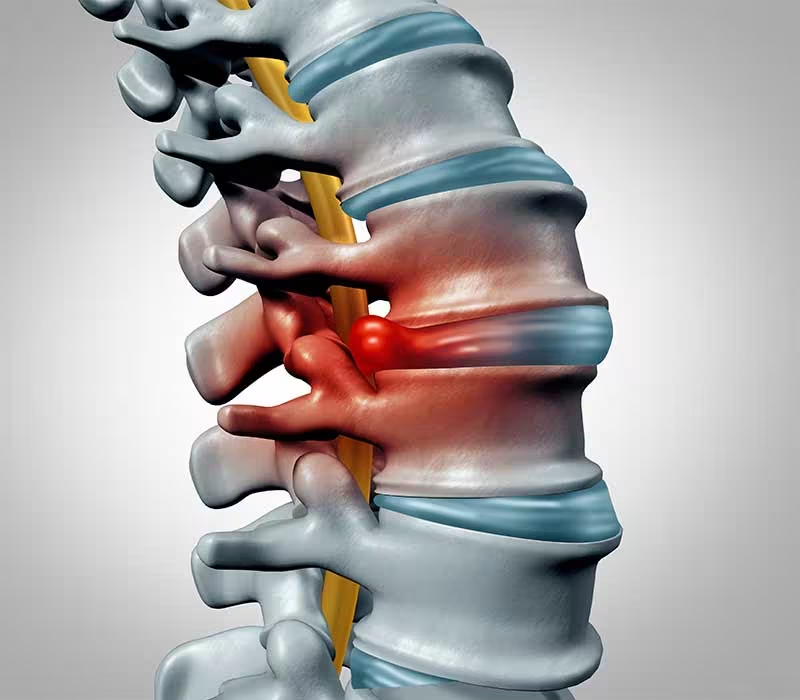

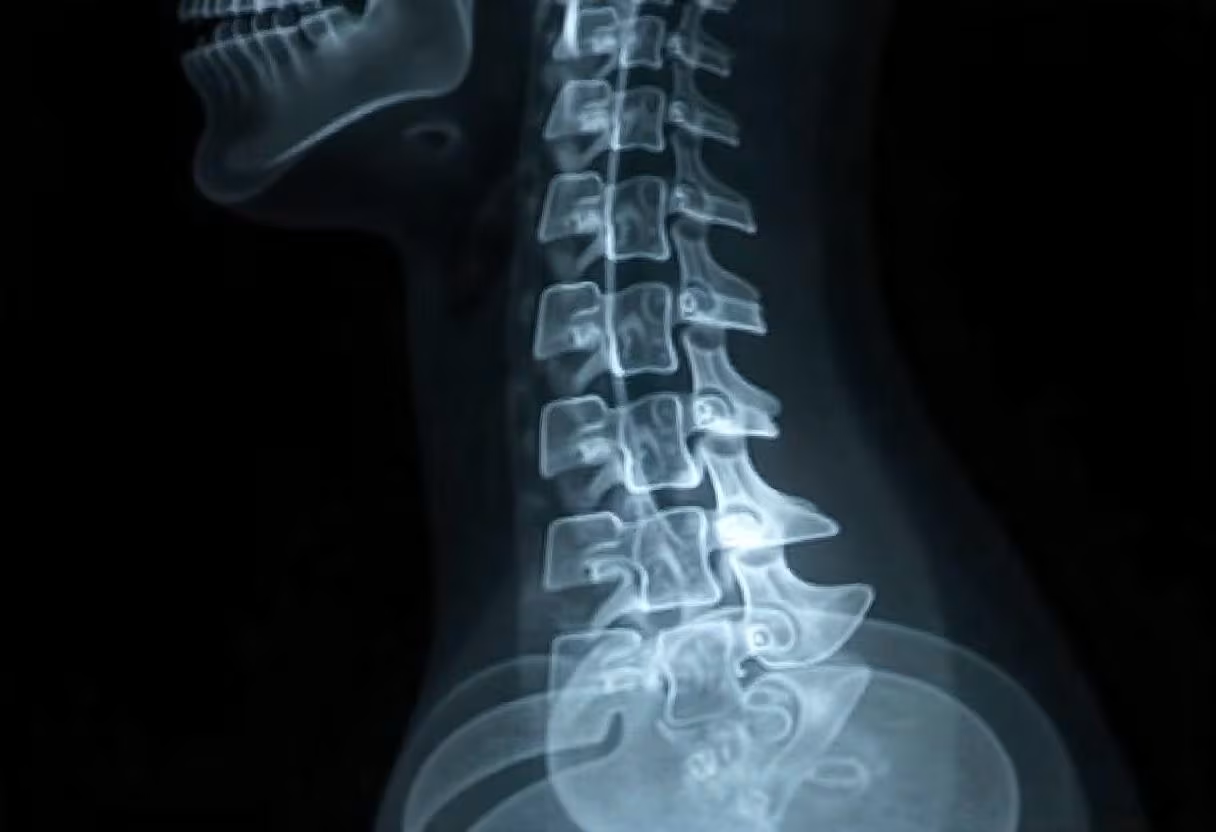
Spinal infections, though rare, can have serious consequences if left untreated. <br>These infections can occur in the vertebrae, intervertebral discs, or surrounding tissues, often causing pain and systemic symptoms.
Types of Spine Infections
- Vertebral Osteomyelitis: Infection in the vertebrae, typically caused by bacteria.
- Discitis: Infection in the intervertebral discs.
- Epidural Abscess: Accumulation of pus in the epidural space, leading to nerve compression.
- Post-Surgical Infections: Infections that occur after spine surgery.
Causes of Spine Infections
- Bacterial or Fungal Infections: Staphylococcus aureus is the most common culprit.
- Spread from Other Infections: Such as urinary tract infections or skin infections.
- Trauma or Surgery: Provides an entry point for pathogens.
- Weakened Immune System: Conditions like diabetes, cancer, or HIV increase susceptibility.
Symptoms
- Severe back pain that worsens with activity.
- Fever, chills, and fatigue.
- Neurological deficits, such as weakness or numbness.
- Swelling or redness in the affected area.
- Difficulty walking or standing.
Diagnosis
- Blood Tests: Elevated white blood cell count or inflammatory markers (CRP, ESR).
- Imaging Studies: MRI is the gold standard for detecting spine infections.
- Biopsy : Identifies the causative organism for targeted treatment.
Treatment Options
1. Medications
- Antibiotics or Antifungals: Administered orally or intravenously based on the infection type.
- Pain Relievers: To manage discomfort during recovery.
2. Surgical Intervention
For severe cases or when medications are insufficient:
- Debridement: Removes infected tissue to prevent the spread of infection.
- Drainage: For abscesses causing nerve compression.
- Stabilization Surgery: Fuses vertebrae to restore spine stability if necessary.
Recovery and Rehabilitation
- Physical Therapy: To regain strength and mobility post-treatment.
- Nutritional Support: Enhances healing and recovery.
- Regular Monitoring: Ensures infection resolution and prevents recurrence.
Preventing Spine Infections
- Maintain good hygiene and wound care.
- Treat infections promptly to prevent systemic spread.
- Strengthen the immune system with a healthy lifestyle.