

Overview
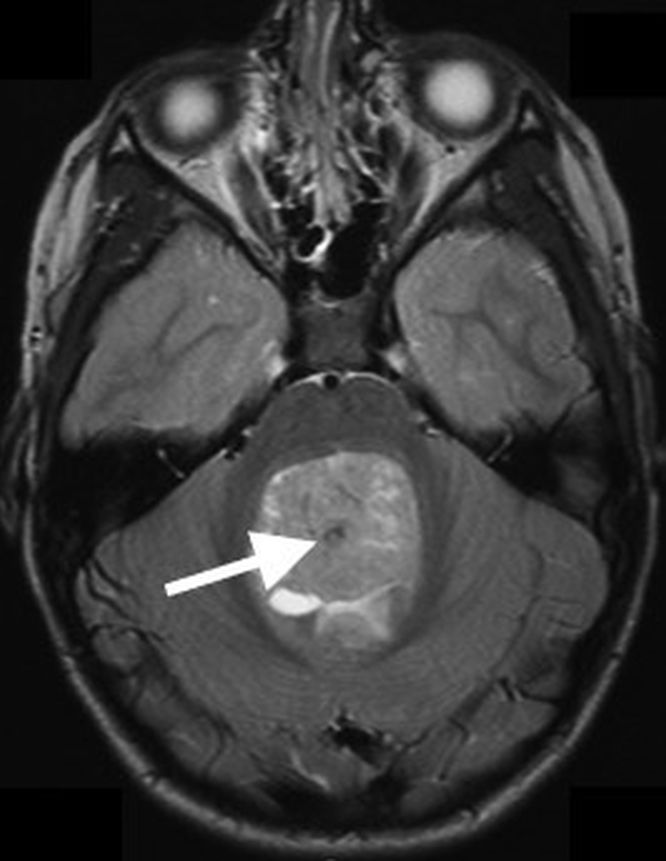
Posterior fossa tumors are a group of abnormal growths that occur in the back portion of the brain, including the cerebellum, brainstem, and the fourth ventricle.
These tumors can lead to a variety of neurological symptoms, such as headaches, nausea, difficulty with balance, dizziness, and coordination issues. Treatment for posterior fossa tumors depends on their type, location, size, and whether they have spread.
At Dr. Vinay Rohra’s clinic, we provide advanced, personalized treatment plans that aim to reduce symptoms and achieve the best possible outcomes.
Surgical Treatment
Removal or repair of tissue, often used to treat tumors or damaged organs.
Radiotherapy
Uses high-energy radiation to destroy or shrink cancer cells.
Chemotherapy
Drug treatment that kills or slows the growth of cancer cells.
Targeted Therapy
Attacks specific molecules or genes involved in cancer cell growth.
Immunotherapy
Boosts or manipulates the immune system to fight cancer.
Supportive and Palliative Care
Focuses on alleviating symptoms and improving quality of life.
1.Surgical Treatment
Surgery is often the primary treatment for posterior fossa tumors. The aim is to remove as much of the tumor as possible while minimizing damage to surrounding healthy brain tissue.
- Surgical Approach:
Dr. Vinay Rohra uses the most advanced techniques to access the posterior fossa region, including both open and minimally invasive surgical methods. Depending on the tumor’s size, location, and the patient’s condition, the surgery may involve a craniotomy (removal of part of the skull) or a less invasive endoscopic approach.- Goal: The goal is to remove or reduce the tumor while preserving important neurological functions, particularly those related to motor control, balance, and cognitive abilities.
- Recovery: Post-surgery recovery time varies. Patients will be monitored closely for any signs of complications and may need rehabilitation therapy for coordination and balance issues.
2. Radiotherapy
Radiotherapy is typically recommended for tumors that are not amenable to complete surgical removal or when the tumor is malignant. This treatment involves using high-energy radiation to target and destroy cancer cells.
- Types of Radiotherapy:
- External Beam Radiotherapy: Radiation is directed at the tumor from outside the body using precise techniques to minimize exposure to healthy tissues.
- Stereotactic Radiosurgery (SRS): A non-invasive treatment that delivers concentrated radiation to the tumor in a single or few sessions. SRS is ideal for tumors that are difficult to access surgically.
- Benefits: Radiotherapy is effective in shrinking tumors and controlling their growth, especially in cases where surgery may not be feasible.
- Side Effects: Common side effects may include fatigue, hair loss, or skin irritation. Long-term effects may include potential cognitive changes or an increased risk of secondary cancers, which are monitored closely.
3. Chemotherapy
Chemotherapy is an option for malignant posterior fossa tumors, especially in children or tumors that have spread to other parts of the brain or body.
- Chemotherapy Drugs:
Common drugs used for brain tumors include methotrexate, cisplatin, and vincristine. These medications are designed to target and destroy cancerous cells throughout the body.- Side Effects: Chemotherapy can cause side effects such as nausea, vomiting, hair loss, fatigue, and a lowered immune system, which can make patients more susceptible to infections. The side effects are carefully managed during the treatment process.
4. Targeted Therapy & Immunotherapy
Emerging treatments like targeted therapy and immunotherapy may be considered, particularly in cases of recurrent or aggressive tumors.
- Targeted Therapy:
This approach involves using drugs that target specific molecular features of the tumor cells, such as genetic mutations. It aims to block the signals that allow the tumor to grow and divide.- Immunotherapy:
Immunotherapy uses the body’s immune system to fight cancer. Checkpoint inhibitors, cancer vaccines, and other methods may help the immune system recognize and attack tumor cells.- Benefits: These therapies are promising in treating cancers that do not respond to traditional treatments like chemotherapy or radiotherapy.
5. Supportive and Palliative Care
For patients with advanced tumors or those who may experience significant symptoms, supportive and palliative care is essential.
- Symptom Management:
This involves addressing symptoms such as pain, nausea, and headaches to improve the patient’s quality of life.- Rehabilitation:
Post-treatment rehabilitation, including physical, occupational, and speech therapy, may be necessary to regain lost functions, especially for balance, coordination, and cognitive abilities.