


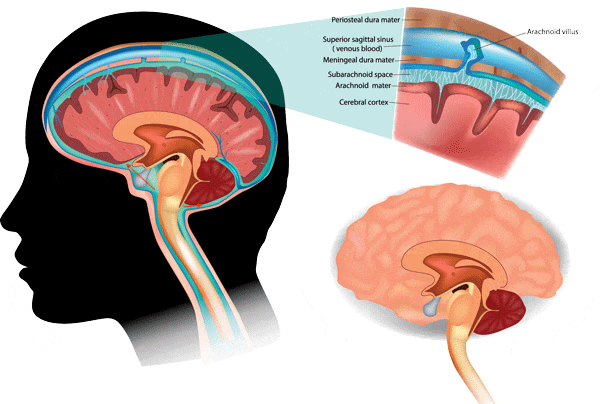
Hydrocephalus is a medical condition characterized by the accumulation of cerebrospinal fluid (CSF) in the brain’s ventricles, leading to increased pressure. Early diagnosis and treatment are crucial to managing the condition and preventing long-term complications. <br>Here, we provide an overview of hydrocephalus treatment options.
Understanding Hydrocephalus
Hydrocephalus can occur at any age but is most common in infants and older adults. It may result from congenital abnormalities, infections, tumors, or head injuries. Symptoms can include headaches, nausea, cognitive difficulties, and developmental delays in children.
Treatment Options
The treatment for hydrocephalus aims to reduce intracranial pressure and
restore normal CSF flow. Here are the primary methods used:1. Surgical Treatments
a. Ventriculoperitoneal (VP) Shunt: This is the
most common surgical procedure for hydrocephalus. A VP shunt involves placing a
flexible tube in the brain’s ventricles to divert excess CSF to another part of
the body, such as the abdominal cavity, where it can be absorbed.·
Procedure:
The surgeon makes small incisions to insert the shunt. The system includes a
valve to regulate CSF flow.·
Benefits:
Effective long-term solution.·
Risks:
Infection, blockage, or the need for periodic replacement.b. Endoscopic Third Ventriculostomy (ETV): ETV
is an alternative to shunting, particularly in cases of obstructive
hydrocephalus. The procedure creates a bypass for CSF within the brain.·
Procedure:
A small hole is made in the floor of the third ventricle to allow fluid to flow
out.·
Benefits:
No foreign devices are left in the body.·
Risks:
Infection or the hole closing over time.2. Medication
While not a definitive treatment, medications can temporarily manage
symptoms by reducing CSF production or relieving pressure. Diuretics such as
acetazolamide and furosemide are commonly used.3. Rehabilitation and Support
Post-treatment, patients may require:
·
Physical Therapy:
To improve mobility and balance.·
Occupational Therapy:
To assist with daily activities.·
Counseling:
To address emotional and cognitive challenges.
Advancements in Treatment
Programmable Shunts: These devices allow doctors to adjust CSF flow rates non-invasively.
Minimally Invasive Techniques: Advanced surgical tools and imaging improve precision and reduce recovery time.
Complications and Follow-Up Care
Even after treatment, regular follow-ups are essential to monitor:
· Shunt function and potential complications.
· Cognitive and physical development, especially in children.
Living with Hydrocephalus
With proper treatment and support, many individuals with hydrocephalus lead fulfilling lives. Early intervention is key to minimizing complications and improving outcomes.