Introduction – Why Early Diagnosis Matters
Hemifacial spasm is a neurological condition that causes involuntary muscle contractions on one side of the face, often beginning with twitching around the eye. Though typically not life-threatening, these spasms can cause discomfort, self-consciousness, and affect daily life.
Early recognition and treatment are essential to relieve symptoms, prevent progression, and maintain quality of life. Consulting a Brain Surgeon in Vadodara ensures accurate diagnosis and personalized treatment, tailored to the underlying cause of the spasm.
Understanding Hemifacial Spasm
Hemifacial spasm occurs due to irritation or compression of the facial nerve (cranial nerve VII). The condition often starts with intermittent twitching around the eye and can progress to involve other facial muscles.
Common causes include:
- Compression of the facial nerve by blood vessels
- Injuries or trauma affecting the facial nerve
- Rarely, tumors or structural abnormalities
Recognizing the underlying cause helps a Brain Surgeon in Vadodara recommend the most effective treatment approach.
Symptoms You Should Not Ignore
While occasional facial twitching may occur in many people, persistent or worsening spasms indicate hemifacial spasm. Warning signs include:
- Intermittent twitching around the eye, progressing to other facial muscles
- Persistent muscle contractions on one side of the face
- Discomfort or strain from continuous twitching
- Social or emotional stress due to facial appearance
Early evaluation can prevent long-term discomfort and improve treatment outcomes.
Diagnosis and Evaluation
Accurate diagnosis by a Brain Surgeon in Vadodara involves:
- Clinical Examination: Assessing the pattern and severity of facial spasms
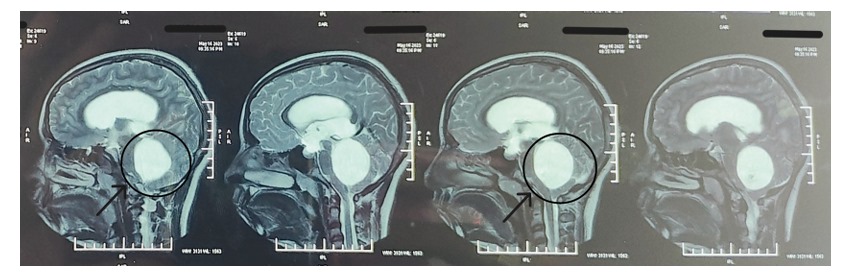
- Imaging Studies: MRI or other scans to check for nerve compression, vascular abnormalities, or tumors
- Patient History: Understanding symptom onset, triggers, and impact on daily life
This thorough evaluation ensures tailored treatment plans that address the root cause of the spasm.
Treatment Options
Treatment aims to reduce or eliminate muscle contractions while addressing the underlying cause.
- Botulinum Toxin (Botox) Injections
- Procedure: Small doses of Botox are injected into affected muscles to block nerve signals causing spasms
- Benefits: Quick relief with minimal downtime
- Risks: Temporary side effects like drooping eyelids or nearby muscle weakness
- Duration: Effects last 3–6 months, requiring repeat treatments
- Medications
Certain medications may help control spasms:
- Muscle relaxants (e.g., baclofen)
- Anticonvulsants (e.g., carbamazepine, gabapentin)
- Microvascular Decompression (MVD)
Recommended for severe or persistent symptoms caused by vascular compression of the facial nerve:
- Procedure: A neurosurgeon relieves pressure by repositioning or removing the blood vessel compressing the nerve
- Benefits: Potential for long-term relief
- Risks: Infection, hearing loss, or nerve damage
- Lifestyle Adjustments
Simple measures can help minimize symptoms:
- Reduce stress, as it can worsen spasms
- Avoid caffeine or stimulants
Advancements in Treatment
- Minimally Invasive Techniques: Modern surgical tools and imaging allow for precise interventions
- Custom Treatment Plans: Diagnostics now enable individualized approaches, improving outcomes
A Brain Surgeon in Vadodara ensures that every treatment plan is tailored to the patient’s specific condition.
Post-Treatment Care and Recovery
Recovery depends on the treatment type and severity of symptoms:
- Follow-Up Visits: Monitor effectiveness and adjust treatment if needed
- Physical Therapy & Exercises: Support facial muscle function where applicable
- Lifestyle Management: Stress reduction, avoiding triggers, and maintaining overall wellness
Proper post-treatment care reduces recurrence, improves comfort, and enhances quality of life.
When to Consult a Brain Surgeon in Vadodara
Seek consultation if you experience:
- Persistent facial twitching or spasms
- Spasms spreading to other facial muscles
- Discomfort affecting daily life
- Emotional or social stress from facial appearance
Early evaluation ensures timely intervention, precise diagnosis, and optimal outcomes.
Meet Dr. Vinay M. Rohra – Brain Surgeon in Vadodara
Dr. Rohra combines expertise, precision, and patient-focused care in treating hemifacial spasm and other neurological conditions.
- Personalized treatment plans for Botox, medication, or surgical options
- Advanced surgical techniques, including microvascular decompression
- Focus on holistic recovery and rehabilitation
Education & Experience:
- M.B.B.S., M.S., M.Ch (Neurosurgery) – Vadilal Sarabhai General Hospital, Ahmedabad
- Specialist in facial nerve disorders, cranial neurosurgery, and minimally invasive procedures
Patients trust Dr. Rohra for his expertise, precision, and compassionate approach.
Conclusion
Hemifacial spasm can impact both physical comfort and emotional well-being. Early consultation with a Brain Surgeon in Vadodara ensures accurate diagnosis, targeted treatment, and long-term relief.
Book an appointment with Dr. Vinay M. Rohra today and take the first step toward stopping facial twitching permanently.
Frequently Asked Questions
Q1: What is Hemifacial Spasm?
It is a neurological condition causing involuntary muscle contractions on one side of the face, usually due to facial nerve irritation or compression.
Q2: What causes hemifacial spasm?
Common causes include vascular compression of the facial nerve, trauma, or rarely tumors or structural abnormalities.
Q3: How is hemifacial spasm treated?
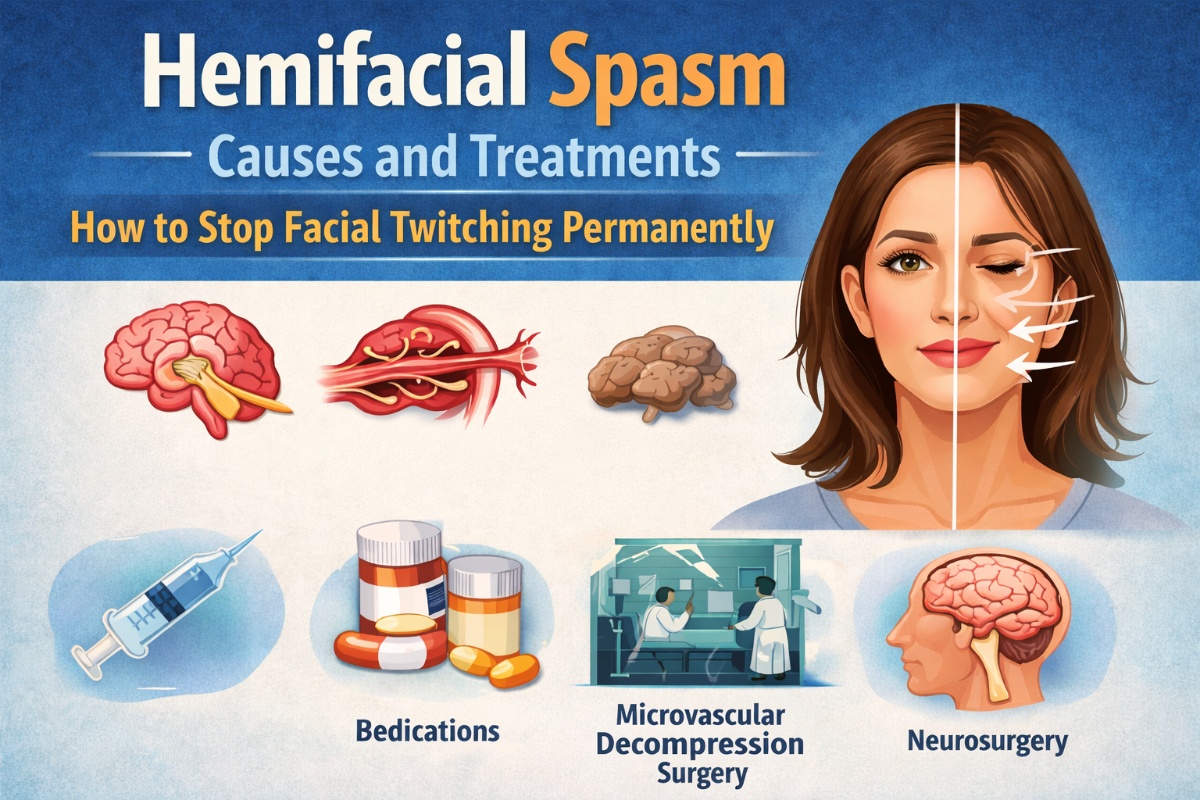
Treatment options include Botox injections, medications, microvascular decompression surgery, and lifestyle adjustments.
Q4: Is Botox permanent for hemifacial spasm?
No, effects typically last 3–6 months, requiring repeat treatments.
Q5: When should I see a Brain Surgeon in Vadodara?
If twitching persists, spreads, causes discomfort, or affects daily life, consult a specialist promptly.
Q6: Can lifestyle changes help reduce symptoms?
Yes, reducing stress and avoiding stimulants like caffeine can help minimize spasms.