
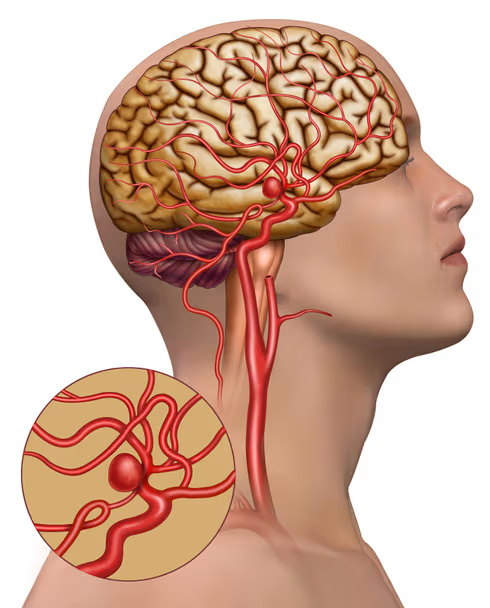

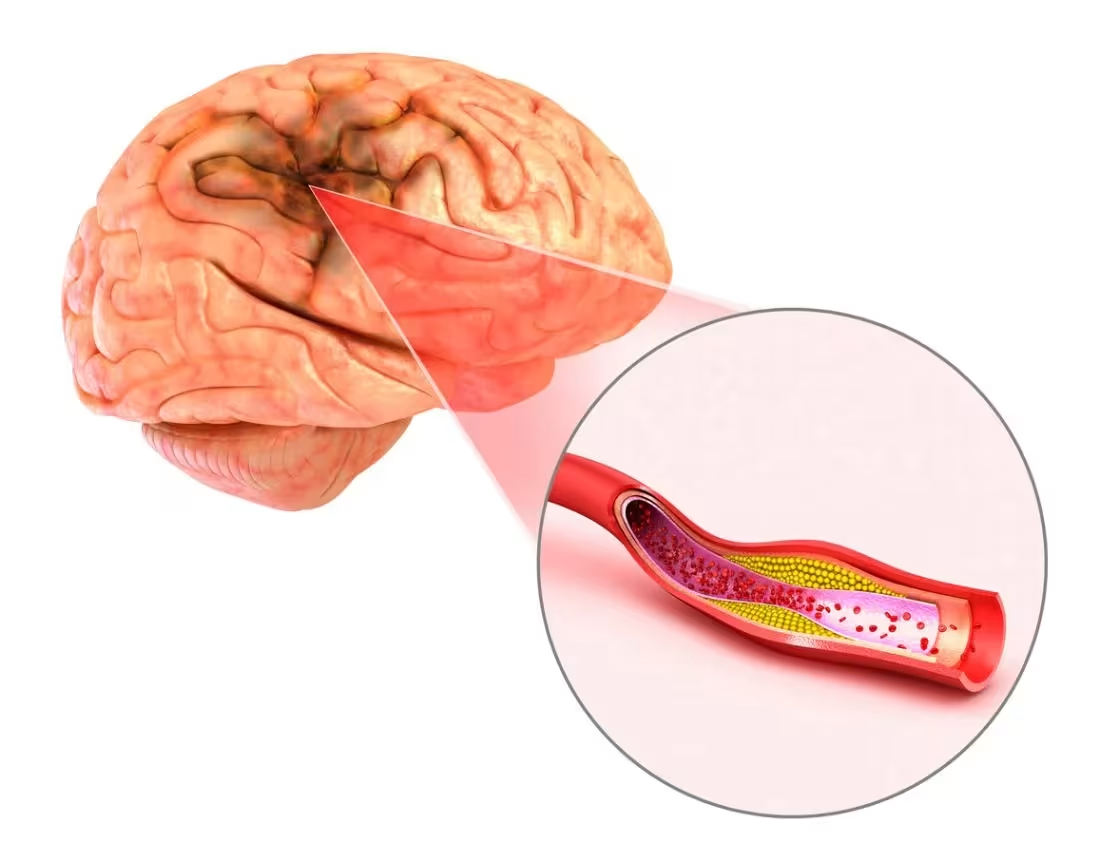
An aneurysm is a bulge or ballooning in the wall of a blood vessel caused by weakening of the vessel wall. Aneurysms can occur in any blood vessel but are most common in the brain (cerebral aneurysm), aorta (aortic aneurysm), and peripheral arteries. Timely diagnosis and treatment are crucial to prevent rupture, which can be life-threatening.
Understanding Aneurysms
Aneurysms may not cause symptoms unless they grow large or rupture. Common
symptoms include:·
Cerebral Aneurysm:
Sudden, severe headache, nausea, vision problems, or loss of consciousness.·
Aortic Aneurysm:
Chest or back pain, difficulty breathing, or a pulsating sensation in the
abdomen.·
Peripheral Aneurysm:
Pain or swelling near the affected area.
Treatment Options
The Choice of treatment depends on the
aneurysm’s size, location, and risk of rupture. Here
are the main approaches:
1. Surgical Clipping
This procedure is commonly used for cerebral aneurysms.
· Procedure: A neurosurgeon places a metal clip at the base of the aneurysm to stop blood flow into it.
· Benefits: Effective at preventing rupture.
· Risks: Bleeding, infection, or damage to surrounding brain tissue.
2. Endovascular Coiling
A minimally invasive option for treating cerebral aneurysms.
· Procedure: A catheter is guided to the aneurysm, and tiny coils are inserted to promote clotting and seal off the aneurysm.
· Benefits: Less invasive with a shorter recovery time compared to surgery.
· Risks: Risk of aneurysm recurrence or rupture if the coiling is incomplete.
3. Stent-Graft Repair
This approach is commonly used for aortic aneurysms.
· Procedure: A stent graft is placed inside the artery to reinforce the weakened section and redirect blood flow.
· Benefits: Minimally invasive with reduced recovery time.
· Risks: Stent movement or leaks.
4. Open Surgery
For large or complex aneurysms, open surgery may be required to repair or replace the damaged vessel.
· Procedure: The surgeon removes the aneurysm and reconstructs the vessel.
· Benefits: Long-term durability.
· Risks: Higher risk of complications compared to minimally invasive techniques.
5. Observation
Small, asymptomatic aneurysms may be monitored with regular imaging.
· Benefits: Avoids unnecessary intervention.
· Risks: The aneurysm could grow or rupture unexpectedly.
Lifestyle Changes and Prevention
To reduce the risk of aneurysm formation or rupture:
· Maintain healthy blood pressure.
· Avoid smoking and excessive alcohol consumption.
· Adopt a heart-healthy diet.
· Manage conditions like high cholesterol and diabetes.
Advancements in Treatment
· Flow Diversion Devices: New stent-like devices redirect blood flow away from the aneurysm, promoting healing.
· Imaging Technology: Advanced diagnostics ensure precise planning and monitoring.
Advancements in Treatment
· Flow Diversion Devices: New stent-like devices redirect blood flow away from the aneurysm, promoting healing.
· Imaging Technology: Advanced diagnostics ensure precise planning and monitoring.
Complications and Follow-Up Care
Even after treatment, regular follow-ups are essential to monitor for:
· Aneurysm recurrence or growth.
· Complications such as blood clots or vessel narrowing.