Introduction – Why Early Diagnosis Matters
Experiencing numbness or a tingling sensation in your hands, legs, or feet can feel unusual and sometimes alarming. Many people ignore these symptoms, assuming they are temporary or due to fatigue. However, persistent or recurring tingling may indicate an underlying neurological or spine-related condition.
Recognizing these signs early and consulting a neurosurgeon in Vadodara can help prevent complications and ensure timely treatment. Early diagnosis plays a key role in protecting nerve function and improving recovery outcomes.
Understanding the Condition
Numbness and tingling, often described as a “pins and needles” sensation, usually occur when nerves are irritated, compressed, or damaged. These symptoms can originate from the brain, spinal cord, or peripheral nerves.
Common causes include nerve compression due to spine conditions, infections, congenital abnormalities, or vascular issues affecting nerve supply. While occasional tingling may not be serious, frequent or worsening symptoms should never be ignored.
Symptoms You Should Not Ignore
You should pay close attention if numbness or tingling is associated with:
- Persistent or recurring sensation in hands, legs, or feet
- Weakness in arms or legs
- Difficulty in walking or maintaining balance
- Neck or lower back pain along with tingling
- Sharp, radiating pain from the spine to limbs
- Loss of coordination or grip strength
- Symptoms worsening over time or disturbing sleep
These signs may be linked to conditions such as cervical disc prolapse, herniated lumbar disc, spine infections, or nerve compression, which require evaluation by a neurosurgeon in Vadodara.
Diagnosis and Imaging
Accurate diagnosis is essential to identify the root cause of nerve-related symptoms. A specialist may recommend:
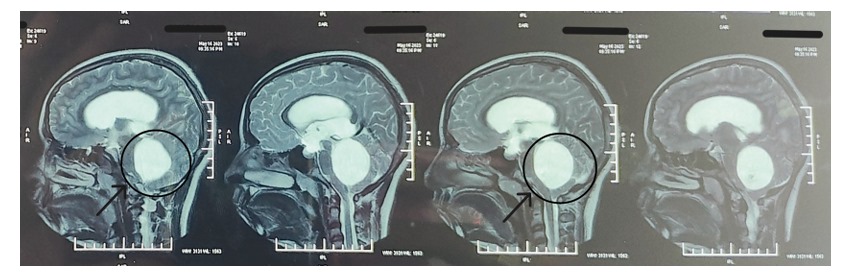
- MRI scan to assess brain and spine structures
- CT scan for detailed imaging
- X-rays for spinal alignment
- Neurological examination to evaluate nerve function
These diagnostic tools help determine whether the issue is due to spinal disorders, infections, or other neurological conditions.
Treatment Options
Treatment depends on the severity and underlying cause of the condition.
Conservative Treatment
- Medications to reduce inflammation and nerve irritation
- Physiotherapy to improve strength and flexibility
- Posture correction and ergonomic changes
- Activity modification and regular monitoring
Surgical Treatment (When Required)
If symptoms are severe or do not improve with conservative care, surgical intervention may be considered, such as:
- Transforminal Interbody Fusion (TLIF) for spinal stability
- Treatment for cervical disc prolapse
- Surgery for herniated lumbar disc
- Management of spine infections
- Surgical removal of spine tumors
- Treatment of congenital spinal conditions like split cord malformations
The aim is to relieve nerve compression and restore normal function.
Post-Treatment Care and Recovery
Recovery varies depending on the condition and treatment method. Proper care includes:
- Following prescribed medications and therapy
- Gradual return to daily activities
- Regular follow-up consultations
- Avoiding strain on the spine
- Maintaining a healthy posture and lifestyle
Early treatment often leads to better recovery and reduces the risk of long-term nerve damage.
When to Consult a Specialist
You should consult a specialist if:
- Tingling or numbness persists for several days
- Symptoms are increasing in intensity
- There is associated weakness or pain
- Daily activities are getting affected
If you notice these warning signs, it is important to seek guidance from a neurosurgeon in Vadodara or a spine surgeon in Vadodara for proper evaluation and care.
Meet Dr. Vinay M. Rohra
Dr. Rohra combines expertise, precision, and patient-focused care for complex spine problems:
- Personalized Treatment Plans: Tailored to structural conditions and lifestyle
- Advanced Techniques: Minimally invasive surgery, spinal fusion, and decompression
- Comprehensive Rehabilitation: Post-treatment guidance for optimal recovery
Education & Experience:
- M.B.B.S., M.S., M.Ch (Neurosurgery) – Vadilal Sarabhai General Hospital, Ahmedabad
- Specialist in degenerative spine disorders, structural abnormalities, and spinal surgery
Patients trust Dr. Rohra for his precision, experience, and compassionate care.
Conclusion
Numbness or tingling in the hands and legs may seem minor at first, but persistent symptoms can indicate a deeper neurological issue. Ignoring these signs can lead to complications over time.
Seeking timely advice from a qualified neurosurgeon in Vadodara ensures proper diagnosis and effective treatment. Early intervention not only relieves symptoms but also helps restore quality of life.
Frequently Asked Questions
Tingling is usually caused by nerve compression, spine problems, or reduced blood supply to nerves.
If it is persistent, worsening, or associated with weakness or pain, you should consult a specialist.
Yes, conditions like herniated discs or cervical disc prolapse can compress nerves and cause tingling.
It can be an early sign of nerve irritation or damage and should not be ignored.
Mild cases may resolve, but persistent symptoms require medical evaluation.
A neurosurgeon or spine specialist should be consulted for persistent or severe symptoms.
Through clinical examination and imaging tests like MRI or CT scans.
Yes, delaying treatment may lead to permanent nerve damage or worsening symptoms.