Introduction
Many people ignore symptoms like persistent headaches, back pain, or nerve-related issues, assuming they will go away with rest or medication. However, certain neurological symptoms can indicate underlying conditions that require expert evaluation.
If you are experiencing ongoing discomfort related to the brain or spine, consulting a neurosurgeon in Vadodara at the right time can prevent complications and improve treatment outcomes. Early diagnosis plays a crucial role in avoiding permanent nerve damage and ensuring faster recovery.
Understanding the Condition
A neurosurgeon specializes in diagnosing and treating disorders related to the brain, spine, and nervous system. These conditions may include structural abnormalities, nerve compression, infections, tumors, or congenital issues.
While not every headache or back pain needs surgery, ignoring persistent or worsening symptoms can delay proper care. A timely consultation helps identify whether the condition requires conservative treatment or surgical intervention.
Symptoms You Should Not Ignore
You should consider consulting a specialist if you notice any of the following warning signs:
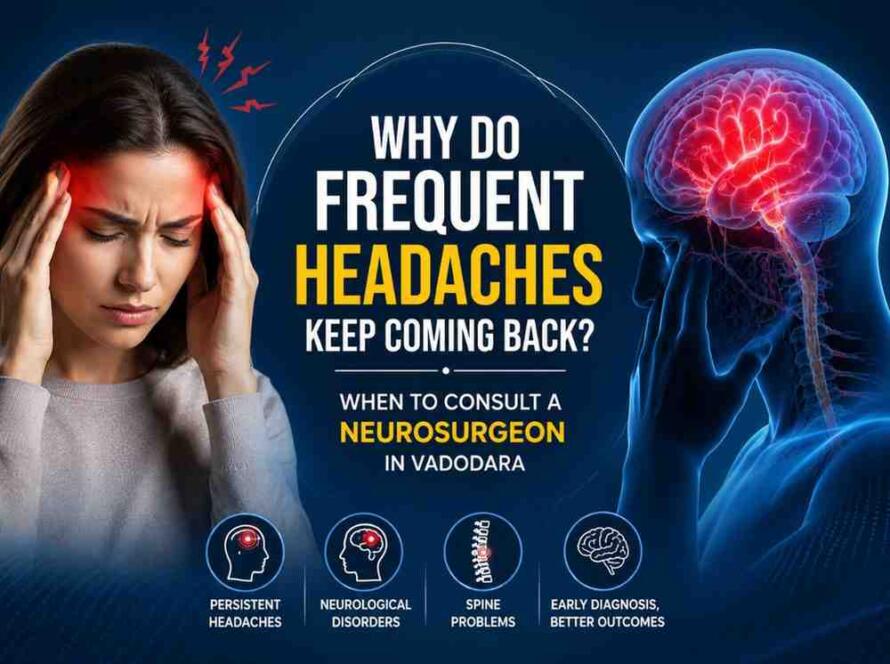
- Persistent or severe headaches that do not improve
- Sudden weakness or numbness in arms or legs
- Difficulty in walking, balance issues, or coordination problems
- Chronic back pain that radiates to legs or arms
- Neck pain associated with tingling or weakness
- Facial pain or muscle spasms
- Uncontrolled head pressure or vomiting
- History of spine injury or trauma
- Symptoms that worsen at night or disturb sleep
These symptoms may be linked to conditions such as spine disorders, nerve compression, hydrocephalus, trigeminal neuralgia, or tumors, which require expert evaluation by a neurosurgeon in Vadodara.
Diagnosis and Imaging
Accurate diagnosis is essential before starting any treatment. A neurosurgeon may recommend:
- MRI (Magnetic Resonance Imaging)
- CT Scan
- X-rays (for spine issues)
- Neurological examination
These tests help identify the exact cause of symptoms, such as disc prolapse, infections, tumors, or congenital abnormalities. Proper imaging ensures that treatment is precise and effective.
Treatment Options
Treatment depends on the severity and type of condition.
Conservative Treatment
- Medications to manage pain and inflammation
- Physiotherapy for spine-related issues
- Lifestyle modifications and posture correction
- Regular monitoring of neurological conditions
Surgical Treatment (When Required)
If conservative methods fail or the condition is severe, surgical options may be recommended, including:
- Transforminal Interbody Fusion (TLIF) for spine stability
- Surgery for spine tumors
- Treatment of hydrocephalus
- Management of trigeminal neuralgia
- Correction of congenital anomalies
- Treatment for arteriovenous malformations (AVM) and aneurysms
- Spine injury stabilization procedures
The goal of surgery is to relieve pressure on nerves, restore function, and improve quality of life.
Post-Treatment Care and Recovery
Recovery depends on the type of condition and treatment approach. Proper post-treatment care includes:
- Following prescribed medications
- Physiotherapy and rehabilitation
- Regular follow-up consultations
- Avoiding heavy physical strain during recovery
- Maintaining a healthy lifestyle
Early intervention often leads to faster recovery and better long-term outcomes.
When to Consult a Neurosurgeon in Vadodara
You should not delay consultation if:
- Symptoms persist for more than a few days
- Pain is severe or worsening
- There is loss of sensation or movement
- Daily activities are getting affected
If you are experiencing such symptoms, it is important to consult a neurosurgeon in Vadodara or a brain surgeon in Vadodara for timely diagnosis and treatment.
Meet Dr. Vinay M. Rohra
Dr. Rohra combines expertise, precision, and patient-focused care for complex spine problems:
- Personalized Treatment Plans: Tailored to structural conditions and lifestyle
- Advanced Techniques: Minimally invasive surgery, spinal fusion, and decompression
- Comprehensive Rehabilitation: Post-treatment guidance for optimal recovery
Education & Experience:
- M.B.B.S., M.S., M.Ch (Neurosurgery) – Vadilal Sarabhai General Hospital, Ahmedabad
- Specialist in degenerative spine disorders, structural abnormalities, and spinal surgery
Patients trust Dr. Rohra for his precision, experience, and compassionate care.
Conclusion
Ignoring neurological symptoms can lead to serious complications over time. Understanding when to seek medical help is the first step toward effective treatment.
If you are facing persistent symptoms related to the brain or spine, consulting a qualified neurosurgeon in Vadodara can help you get the right diagnosis and treatment at the right time. Early action not only prevents complications but also improves recovery and overall quality of life.
Frequently Asked Questions
If back pain persists for more than a few weeks, radiates to the legs, or is associated with numbness or weakness, you should consult a neurosurgeon.
Severe headache, sudden weakness, loss of balance, difficulty speaking, or spine injury require immediate medical attention.
Yes, many neurological conditions are initially treated with medications and physiotherapy. Surgery is recommended only when necessary.
Neck pain along with tingling, numbness, or weakness in arms may indicate cervical disc issues and should be evaluated.
Diagnosis is done through clinical examination and imaging tests like MRI or CT scans.
A neurologist manages conditions medically, while a neurosurgeon performs surgical treatment when required.
Yes, delaying treatment can lead to nerve damage, increased pain, and complications.
Look for experience, specialization in brain and spine conditions, and patient-focused care.