Introduction – Why Persistent Back Pain Should Not Be Ignored
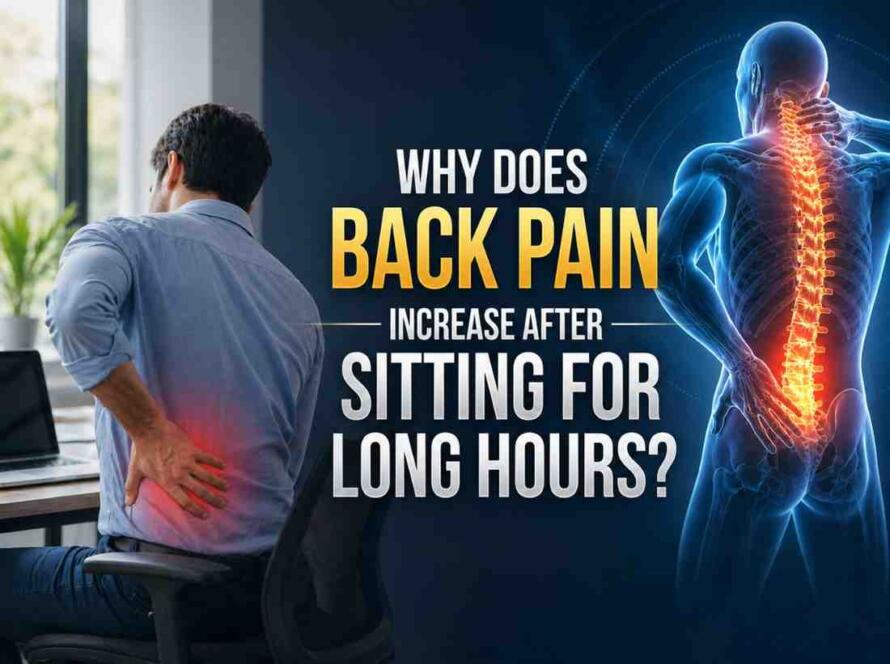
Recurring lower back pain that temporarily improves with rest but keeps returning may indicate hidden structural spine problems. Unlike simple muscle strain, persistent discomfort can be caused by conditions such as disc degeneration, spinal instability, or misalignment of vertebrae. Ignoring these warning signs may lead to chronic pain, reduced mobility, and long-term complications.
Consulting an experienced Spine Surgeon in Vadodara, such as Dr. Vinay Rohra, ensures accurate evaluation and personalized care. Early assessment allows identification of the underlying structural issues, helping patients receive the safest and most effective management strategies.
Understanding Hidden Structural Spine Problems
Recurring lower back pain often signals more than surface-level strain. Common structural issues include:
- Degenerative Disc Disease: Wear-and-tear of spinal discs leading to pain and stiffness.
- Spinal Instability: Loosened vertebrae that compromise spinal alignment and stability.
- Spondylolisthesis: Slippage of one vertebra over another, causing nerve compression.
- Facet Joint Arthritis: Inflammation in the small joints of the spine causing persistent discomfort.
- Congenital Abnormalities: Misaligned vertebrae or other developmental issues affecting the spine.
These conditions can cause recurring pain, numbness, or weakness in the back and lower limbs. Early detection by a Spine Surgeon in Vadodara is key to preventing worsening symptoms.
Symptoms You Should Not Ignore
Persistent or recurring back pain requires professional attention, especially if accompanied by:
- Pain that improves with rest but returns repeatedly
- Radiating pain, tingling, or numbness in the legs
- Weakness or loss of control in lower limbs
- Stiffness or difficulty performing routine movements
- Posture changes or visible spinal deformity
Recognizing these signs allows a Spine Surgeon in Vadodara to intervene before long-term damage occurs.
Diagnosis and Imaging
A comprehensive evaluation helps pinpoint the underlying cause of recurring back pain:
- Clinical Examination: Assessing posture, spinal alignment, reflexes, and muscle strength.
- MRI Scans: Detecting disc degeneration, nerve compression, or soft tissue problems.
- X-Rays: Evaluating vertebral alignment, fractures, or congenital anomalies.
- CT Scans: Providing detailed visualization of bone structure if needed.
- Electromyography (EMG): Assessing nerve function in patients with leg symptoms.
Accurate diagnosis allows a Spine Surgeon in Vadodara to create an individualized plan targeting the root cause.
Treatment Options
Management depends on the type and severity of the structural problem:
- Conservative Management
- Medications: Anti-inflammatory drugs, pain relief, or muscle relaxants
- Physical Therapy: Core strengthening, stretching, and posture correction exercises
- Lifestyle Adjustments: Ergonomic sleeping positions, activity modification, and weight management
- Benefits: Safe, non-invasive approach for mild to moderate conditions
- Interventional Procedures
- Epidural Steroid Injections: Reduce nerve inflammation and relieve pain
- Facet Joint Injections: Target inflamed joints causing recurrent pain
- Minimally Invasive Surgery: Endoscopic procedures for decompression or minor corrections
- Surgical Intervention
Recommended when conservative measures fail or structural damage is severe:
- Spinal Fusion: Stabilizing vertebrae to prevent further slippage
- Discectomy: Removing herniated discs compressing nerves
- Decompression Surgery: Relieving nerve pressure caused by bone or disc abnormalities
A Spine Surgeon in Vadodara evaluates each case individually to recommend the safest and most effective treatment.
Post-Treatment Care and Recovery
Recovery depends on treatment type:
- Conservative Care: Improvement with exercise, lifestyle changes, and regular monitoring
- Interventional Procedures: Short recovery with follow-up care for pain management
- Surgery: Gradual activity resumption, physical therapy, posture correction, and neurological monitoring
Additional care tips:
- Avoid heavy lifting or high-impact activities during recovery
- Maintain proper spinal alignment while sleeping and sitting
- Follow-up with a Spine Surgeon in Vadodara for long-term spine health
When to Consult a Spine Surgeon in Vadodara
Seek evaluation if:
- Back pain recurs despite rest and medication
- Pain radiates to the legs or causes numbness or weakness
- You notice posture changes or spinal instability
- Daily activities are disrupted by recurring pain
- Conservative measures do not provide lasting relief
Early intervention ensures proper diagnosis, effective treatment, and protection of spinal health.
Meet Dr. Vinay M. Rohra – Spine Surgeon in Vadodara
Dr. Rohra combines expertise, precision, and patient-focused care for complex spine problems:
- Personalized Treatment Plans: Tailored to structural conditions and lifestyle
- Advanced Techniques: Minimally invasive surgery, spinal fusion, and decompression
- Comprehensive Rehabilitation: Post-treatment guidance for optimal recovery
Education & Experience:
- M.B.B.S., M.S., M.Ch (Neurosurgery) – Vadilal Sarabhai General Hospital, Ahmedabad
- Specialist in degenerative spine disorders, structural abnormalities, and spinal surgery
Patients trust Dr. Rohra for his precision, experience, and compassionate care.
Conclusion
Recurring lower back pain despite rest may indicate serious structural spine problems. Early consultation with a Spine Surgeon in Vadodara ensures accurate diagnosis, targeted treatment, and long-term spinal health. Addressing the root cause early improves mobility, reduces pain, and enhances quality of life.
Book an appointment with Dr. Vinay M. Rohra today to take the first step toward lasting relief and a healthy spine.
Frequently Asked Questions
Recurring pain may be caused by structural spine problems like disc degeneration, instability, or misalignment.
If pain keeps returning, radiates to limbs, or interferes with daily life, prompt evaluation is needed.
Through clinical examination, MRI, X-rays, CT scans, and sometimes nerve tests like EMG.
Yes, exercises for strength, flexibility, and posture correction are essential for long-term relief.
Surgery is recommended if structural abnormalities are severe or conservative measures fail.
Maintaining proper posture, spinal exercises, weight management, and early evaluation of persistent pain can prevent worsening conditions.