Introduction – Why Early Detection Matters
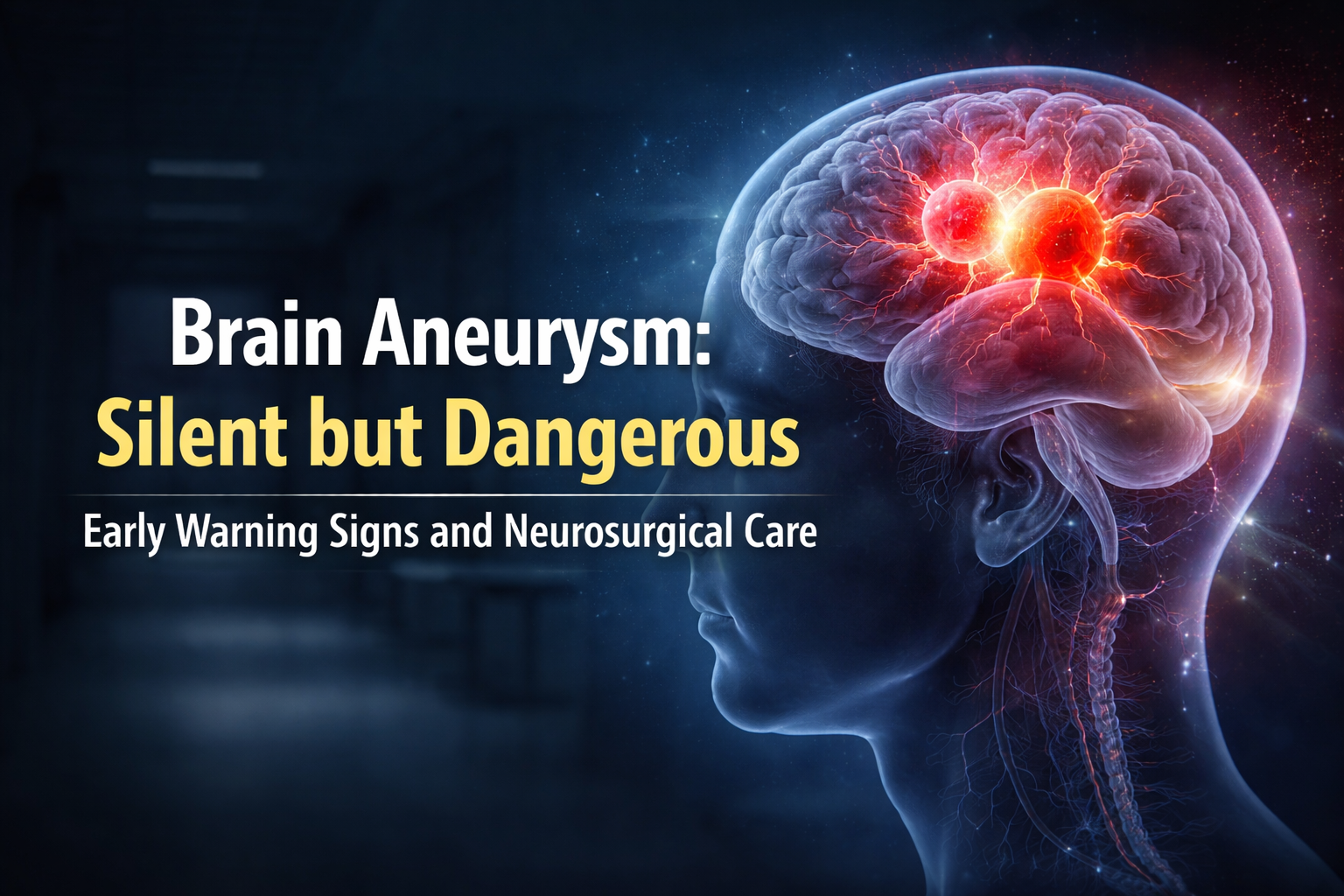
A brain aneurysm is a weakened, bulging area in the wall of a blood vessel in the brain. Often called a “silent” condition, many aneurysms develop without symptoms, remaining unnoticed until they grow or rupture. When rupture occurs, it can lead to life-threatening complications, including hemorrhagic stroke, permanent neurological damage, or death.
While not all brain aneurysms rupture, early detection is essential. Recognizing subtle warning signs and consulting an experienced Neurosurgeon in Vadodara can save lives, reduce complications, and guide safe management. Dr. Vinay Rohra emphasizes timely evaluation using advanced imaging and thorough neurological assessment to ensure the best outcomes.
Understanding Brain Aneurysms
Brain aneurysms, also known as cerebral aneurysms, occur when the blood vessel wall becomes weak and forms a balloon-like bulge. Common risk factors include:
- High blood pressure (hypertension)
- Smoking or tobacco use
- Family history of brain aneurysms
- Certain genetic conditions or connective tissue disorders
- Age over 40, with women slightly more at risk than men
Aneurysms vary in size, location, and risk of rupture. Those located in critical areas of the brain can affect nearby nerves or brain tissue, leading to neurological symptoms even before rupture.
Symptoms You Should Not Ignore
Many brain aneurysms remain asymptomatic until they grow or leak. Early warning signs include:
- Persistent or sudden severe headaches (often described as “the worst headache of your life”)
- Vision disturbances, such as double vision or blurred vision
- Nausea or vomiting
- Neck pain or stiffness
- Facial weakness or numbness
- Difficulty speaking, confusion, or sudden cognitive changes
- Sensitivity to light or balance problems
If any of these symptoms appear, urgent evaluation by a Neurosurgeon in Vadodara is critical. Early detection can prevent rupture, reduce risks, and allow timely intervention.
Diagnosis and Imaging
Accurate diagnosis is essential to assess the size, location, and risk associated with a brain aneurysm. A Neurosurgeon in Vadodara typically uses:
- Neurological Examination: Assesses reflexes, vision, speech, and coordination
- MRI and MRA (Magnetic Resonance Angiography): Detailed images of blood vessels in the brain
- CT Scan: Quickly identifies bleeding if rupture is suspected
- CT Angiography: Evaluates the size and shape of the aneurysm precisely
- Digital Subtraction Angiography (DSA): Considered the gold standard in complex cases for detailed vascular mapping
This combination of imaging and clinical evaluation ensures a personalized treatment plan tailored to the aneurysm’s characteristics.
Treatment Options
The treatment approach depends on aneurysm size, location, risk of rupture, and overall health:
- Observation and Monitoring
For small, asymptomatic aneurysms with low rupture risk:
- Regular imaging follow-ups (MRI/MRA or CT angiography)
- Blood pressure management and lifestyle adjustments
- Avoiding activities that increase intracranial pressure
- Benefits: Non-invasive and avoids surgical risks
- Considerations: Continuous monitoring is essential to detect changes
- Endovascular Procedures
Minimally invasive options performed via blood vessels:
- Coiling: Tiny coils are inserted into the aneurysm to induce clotting and prevent rupture
- Flow Diversion: Devices redirect blood flow away from the aneurysm, reducing pressure
- Benefits: Less invasive, shorter recovery, lower immediate surgical risk
- Considerations: Follow-up imaging is required to ensure long-term success
- Microsurgical Clipping
- Procedure: Open surgery places a metal clip at the base of the aneurysm to stop blood flow
- Benefits: Long-term protection against rupture
- Risks: Infection, bleeding, neurological complications (rare)
- Considerations: Usually recommended for large or complex aneurysms
- Supportive Measures
- Controlling blood pressure, cholesterol, and lifestyle factors
- Smoking cessation and stress reduction
- Regular medical follow-up to monitor aneurysm stability
A Neurosurgeon in Vadodara will evaluate each case individually to select the safest and most effective option.
Post-Treatment Care and Recovery
Recovery depends on the type of treatment:
- Observation: Lifestyle modifications and periodic imaging
- Endovascular Procedures: Short hospital stay, gradual return to daily activities, follow-up imaging
- Surgical Clipping: Hospital stay of several days, gradual physical activity, neurological monitoring, physiotherapy if needed
Post-treatment care also includes:
- Monitoring for headaches, neurological changes, or recurrence
- Blood pressure management
- Healthy diet, regular exercise, and stress reduction
Proper care ensures the best long-term outcomes and minimizes the risk of complications.
When to Consult a Neurosurgeon in Vadodara
Consult immediately if you experience:
- Sudden, severe headaches
- Vision changes or double vision
- Weakness, numbness, or facial drooping
- Difficulty speaking or confusion
- Nausea or vomiting accompanied by headache
Early consultation with a Neurosurgeon in Vadodara can prevent catastrophic complications and allow timely, effective intervention.
Meet Dr. Vinay M. Rohra – Neurosurgeon in Vadodara
Dr. Rohra combines advanced neurosurgical expertise with compassionate care:
- Personalized Treatment Plans: Tailored to aneurysm size, location, and patient health
- Advanced Techniques: Microsurgical clipping, endovascular coiling, flow diversion
- Holistic Care: Focused on recovery, rehabilitation, and patient safety
Education & Experience:
- M.B.B.S., M.S., M.Ch (Neurosurgery) – Vadilal Sarabhai General Hospital, Ahmedabad
- Specialist in aneurysms, AVMs, brain tumours, and complex neurosurgical interventions
Patients trust Dr. Rohra for precision, expertise, and a patient-centered approach.
Conclusion
Brain aneurysms can remain silent but pose serious risks if left untreated. Early recognition, prompt evaluation, and consultation with a Neurosurgeon in Vadodara are essential to prevent rupture, reduce complications, and ensure long-term neurological health.
Book your appointment with Dr. Vinay M. Rohra today to take the first step toward safety, peace of mind, and expert neurosurgical care.
Frequently Asked Questions
A weakened bulge in a brain blood vessel that can rupture, causing serious neurological complications.
Sudden severe headache, vision disturbances, facial weakness, neck pain, nausea, or confusion.
Through neurological examination, MRI, MRA, CT scan, CT angiography, or digital subtraction angiography (DSA).
Observation, endovascular procedures (coiling, flow diversion), or surgical clipping depending on size and risk.
Yes. Managing blood pressure, quitting smoking, reducing stress, and maintaining a healthy lifestyle are crucial.
Not always. Small, low-risk aneurysms may only require monitoring, while larger or symptomatic aneurysms often need intervention.
If you experience severe or sudden headaches, neurological symptoms, vision changes, or facial weakness, consult immediately.
Yes. With proper treatment, monitoring, and rehabilitation, patients can recover fully and reduce future risks.