Introduction – Why Early Diagnosis Matters
Your spine plays a vital role in movement, balance, and daily activities. Persistent back or neck pain should never be ignored, especially when it starts affecting mobility, work, or quality of life.
Many spine conditions begin with mild discomfort but can gradually progress to nerve compression, weakness, or long-term disability if left untreated. Endoscopic Spine Surgery, also known as minimally invasive spine surgery, offers a modern solution for selected spine disorders with reduced tissue damage and faster recovery.
As an experienced Spine Surgeon in Vadodara, Dr. Vinay M. Rohra emphasizes that early diagnosis and timely intervention help prevent complications and allow patients to return to normal life sooner.
Understanding Endoscopic Spine Surgery
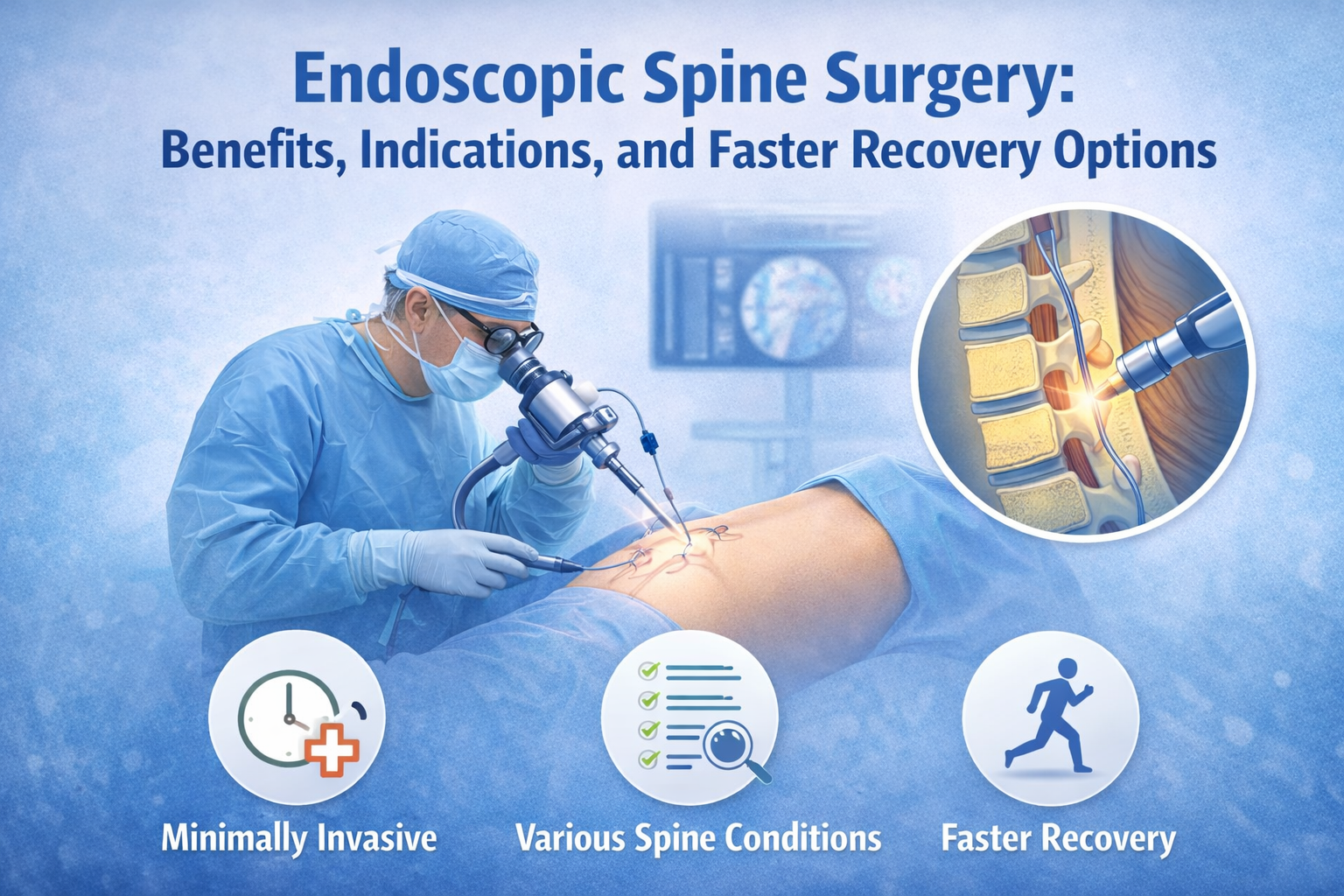
Endoscopic spine surgery is a minimally invasive surgical technique used to treat specific spine conditions through a small incision. A thin camera (endoscope) allows the surgeon to clearly visualize spinal nerves and structures while minimizing damage to surrounding muscles and tissues.
This technique is commonly used for conditions affecting the lumbar and cervical spine, especially when nerve compression leads to pain, numbness, or weakness. Unlike traditional open surgery, endoscopic procedures focus on precision and tissue preservation.
A Brain Surgeon in Vadodara evaluates whether endoscopic spine surgery is appropriate based on imaging findings, symptom severity, and overall spinal stability.
Symptoms You Should Not Ignore
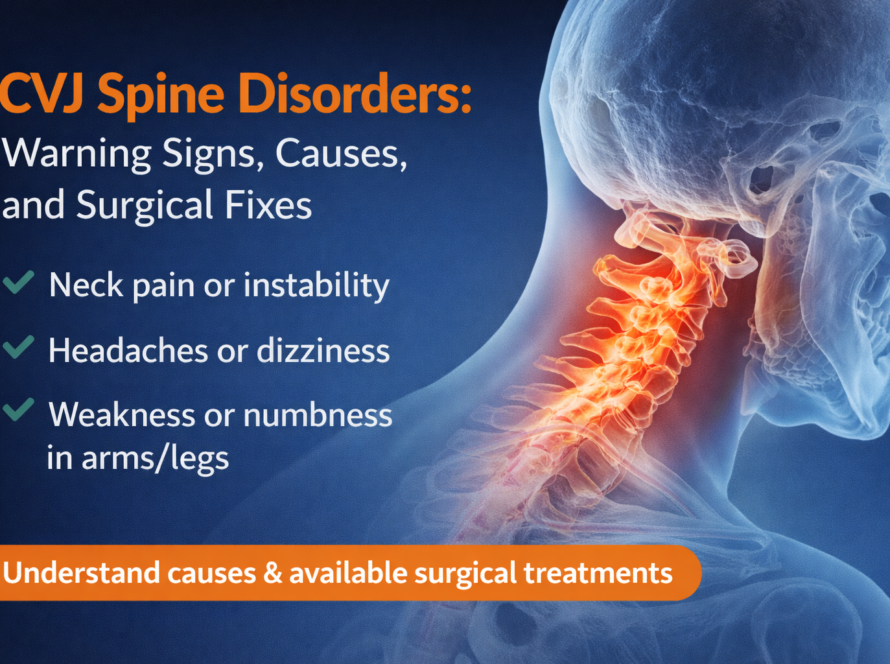
While occasional back or neck pain is common, certain symptoms indicate an underlying spine problem that may require surgical evaluation:
- Persistent Back or Neck Pain: Pain lasting several weeks or worsening with movement may indicate nerve or disc involvement.
- Radiating Arm or Leg Pain: Shooting pain traveling to the arms or legs often signals nerve compression.
- Tingling or Numbness: Pins-and-needles sensation in limbs suggests nerve irritation.
- Muscle Weakness: Difficulty walking, lifting objects, or reduced grip strength should not be ignored.
- Restricted Daily Activities: Pain interfering with work, sleep, or routine tasks requires specialist assessment.
Recognizing these signs early allows a Brain Surgeon in Vadodara to intervene before permanent nerve damage occurs.
Diagnosis and Imaging
Accurate diagnosis is essential before planning endoscopic spine surgery. A thorough evaluation includes:
- Clinical Examination: Assessment of posture, movement, strength, reflexes, and sensory function.
- MRI Scan: The gold standard for identifying disc herniation, nerve compression, spine tumors, or infections.
- CT Scan or X-rays: Helpful in assessing bone alignment, degeneration, or spinal instability.
Combining clinical findings with imaging ensures a personalized and safe treatment plan.
Treatment Options
Treatment depends on symptom severity, diagnosis, and response to initial care.
Conservative Management
Before surgery, many patients benefit from non-surgical treatment, including:
- Pain-relieving and anti-inflammatory medications
- Physiotherapy to improve posture and core strength
- Activity modification and lifestyle changes
If symptoms persist or worsen, surgical intervention may be recommended.
Surgical Intervention
When conservative treatment fails, surgery may be required:
- Endoscopic Spine Surgery:
A minimally invasive approach to relieve nerve compression with smaller incisions and reduced tissue damage. - Other Minimally Invasive Procedures:
- Micro lumbar discectomy (microscope-assisted)
- Laminectomy and discectomy
- Transforaminal interbody fusion (TLIF) for spinal instability
A Brain Surgeon in Vadodara selects the most appropriate technique to ensure long-term spine health and safety.
Post-Treatment Care and Recovery
Recovery after endoscopic spine surgery is generally quicker than traditional open procedures:
- Early Mobilization: Gentle movement and walking soon after surgery
- Pain Management: Reduced post-operative discomfort
- Physiotherapy: Strengthens spinal muscles and improves flexibility
- Lifestyle Modifications: Proper posture, ergonomic habits, and safe lifting techniques
- Regular Follow-Ups: Monitoring healing and preventing recurrence
Structured rehabilitation is key to achieving lasting results.
When to Consult a Brain Surgeon in Vadodara
Seek specialist evaluation if you experience:
- Persistent back or neck pain despite treatment
- Pain radiating to arms or legs
- Numbness, tingling, or muscle weakness
- Difficulty walking or performing daily activities
Timely consultation with a Brain Surgeon in Vadodara ensures accurate diagnosis and access to advanced, minimally invasive spine solutions.
Meet Dr. Vinay M. Rohra – Brain Surgeon in Vadodara
Dr. Vinay M. Rohra specializes in the diagnosis and treatment of complex spine and brain conditions, with a strong focus on minimally invasive spine surgery.
Expertise Includes
- Endoscopic and minimally invasive spine surgery
- Herniated lumbar disc and cervical disc prolapse
- Spine tumors, infections, and injuries
- Advanced spinal fusion techniques
Education & Training
- M.B.B.S., M.S., M.Ch (Neurosurgery)
- Vadilal Sarabhai General Hospital, Ahmedabad
Patients trust Dr. Rohra for his precision, ethical approach, and patient-centered care.
Conclusion
Endoscopic spine surgery offers a safe and effective option for treating selected spine disorders with less pain and faster recovery. Early diagnosis and expert surgical care can prevent long-term complications and restore quality of life.
Consulting an experienced Brain Surgeon in Vadodara ensures timely intervention and the most suitable treatment approach for your condition.
It is a minimally invasive procedure that treats spine problems using a small camera and specialized instruments through a small incision.
Patients with specific disc or nerve compression conditions who do not improve with conservative treatment may be suitable.
Yes, most patients experience less pain, smaller scars, and quicker return to daily activities.
As with any surgery, risks exist, but minimally invasive techniques reduce tissue damage and recovery time.
If you have persistent pain, radiating symptoms, numbness, or weakness, early specialist consultation is advised.